Connections to Land and Environment
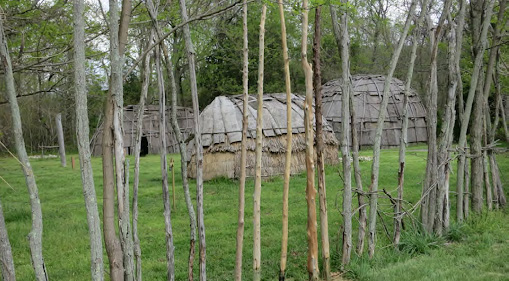
Indian Village at Jefferson Patterson Park & Museum
Essential Question:
For Native peoples, land is more than a place to live; it is part of their identity, culture, and history. Land holds memories, stories, and connections to ancestors. Native communities have a long tradition of stewardship over the lands and natural resources around them. They remain committed to protecting and honoring these ancestral places today.
In this section, you will explore how Native nations maintain their connection to the land, how those places are being affected by change, and why protecting them is important for future generations.
Some Native historical sites in Maryland are protected today in parks and museums, such as the recreated village at Jefferson Patterson Park and Museum. These places help visitors learn about Native lifeways and recognize that Indigenous history is deeply connected to the land itself.
However, not all important sites are protected. Many places that are meaningful to Native communities are still at risk due to land development, erosion, artifact hunting, and lack of public awareness. Rising sea levels and storms also continue to change the landscape, especially along Maryland’s waterways.
After losing many of their ancestral lands, Native communities in Maryland could no longer rely on the same fishing, farming, and hunting areas they had used for generations. They adapted by finding new ways to survive, continuing traditional practices when possible, while also working jobs, selling crafts, and supporting their families in changing economic conditions.
For Native nations, some places on the land are considered sacred sites: areas that hold spiritual, cultural, or historical importance, such as burial grounds or ceremonial spaces.
Even with the challenges of environmental change and development, Native communities continue to care for and protect their ancestral lands. Water, soil, plants, and animals are all part of these relationships. For many Native nations, protecting land is also about ensuring that future generations can continue to live, learn, and connect to their heritage.
Play the following recordings from interviews with Native leaders and community members, which describe both the importance of the land and the challenges of protecting it today. Make two headings in your notebook: Traditions and Challenges. As you listen, list traditions related to connections to the land and the challenges that threaten those traditions, as mentioned by the speakers.
Interview With Norris Howard Jr., of the Pocomoke Indian Nation
Interview With Zach Cole of the Nause-Waiwash Band of Indians
As you have read, stewarding ancestral land has great significance for Maryland’s Indigenous communities, but it entails many challenges that must be addressed through problem-solving.
The items in the following table represent threats to native land, why the land matters, and how communities respond. Select the items from the bank and sort them by placing the tile in the correct box.