Geography and Archaeology in the Avalon Colony
Grade 4
Archaeology and Geography: What the Avalon Colony Teaches Us About Maryland
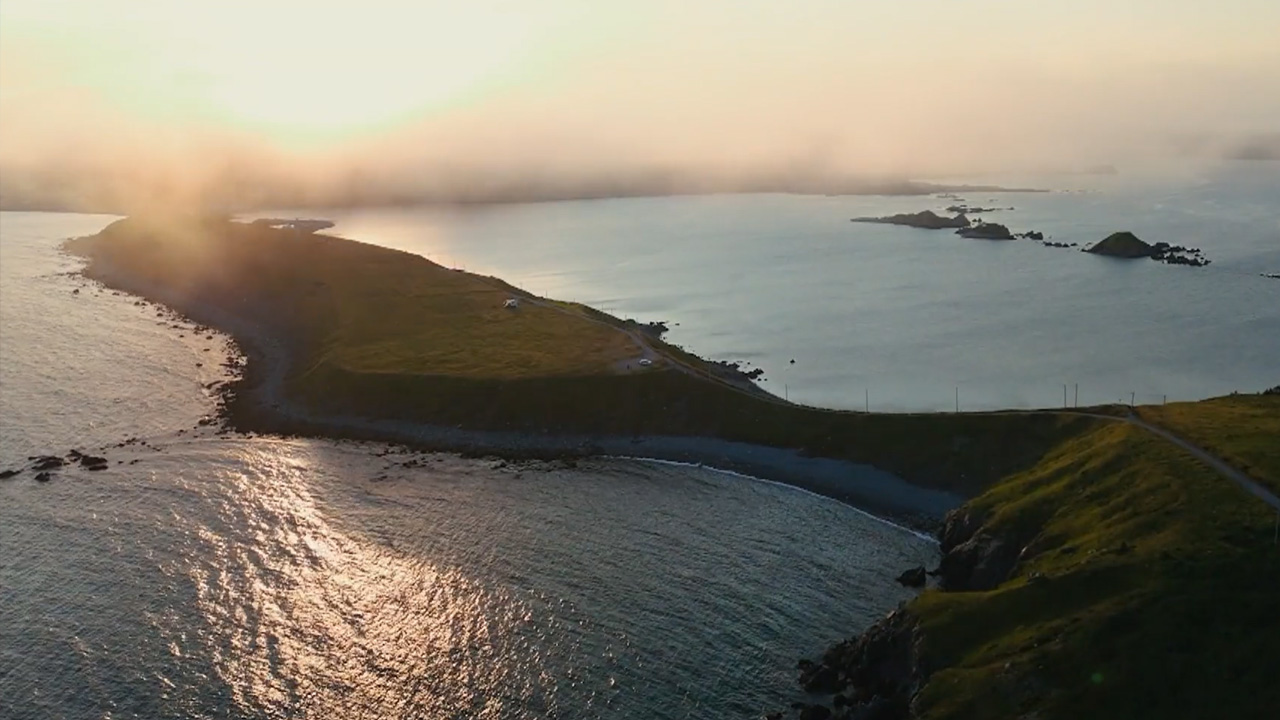
In the early 1600s, George Calvert founded the Colony of Avalon in Newfoundland. He hoped the colony would succeed, but the cold climate, rocky land, and harsh winters made life difficult. Geography shaped everything, from the kinds of houses people built to the jobs they could do.
Today, archaeologists study the remains of the Avalon Colony at Ferryland to uncover clues about how colonists lived. By examining buildings, tools, and everyday objects, archaeologists help us understand how geography influenced culture and economic development in early North American colonies.
Later, George Calvert’s family helped establish a new colony in Maryland at St. Mary's City. In this lesson, students will explore how archaeology from both colonies shows how geography shaped different ways of life, and why Avalon’s challenges helped lead to Maryland’s founding.
Teacher's Guide and Related Standards
By the end of the lesson, students will be able to explain how geography influenced the development of the Avalon Colony and how archaeology helps us learn about life in early colonies.
- How can archaeology help us learn about the past?
- How did Newfoundland’s geography shape life in the Avalon Colony?
- Why do colonies develop differently depending on where they are located?
Film Clip
- What was Calvert’s motivation for establishing a colony at Ferryland?
- What was the geography of Newfoundland like? How is it different from Maryland?
- Why is archaeology important for learning about the history of the Avalon Colony?
- What were some of the features of Calvert’s house in Avalon?
- Why did Calvert abandon Avalon and head south?
Vocabulary
Supplemental Enrichment Activities
Ask An Archaeologist: Discovering St. Mary’s City
Archaeologists help us learn about the past by carefully studying artifacts, buildings, and other remains left behind. At St. Mary’s City, archaeologists have uncovered homes, tools, pottery, and other objects that reveal how people lived in colonial Maryland. Their work helps us understand how geography, natural resources, and daily life shaped the colony's development.
Follow the link to read answers from archaeologists who were asked questions about excavating St. Mary’s City. How do they describe their work? What have they discovered at the St. Mary’s City archaeological sites? How do those discoveries help us better understand colonial life?
Exploring Colonial Life Through Virtual Tours
George Calvert’s colony at Avalon in Newfoundland and the later Maryland colony at St. Mary’s City were founded by the same family, but they developed in very different geographic settings. The cold climate and rocky coastline of Newfoundland shaped life at Avalon, while the rivers, forests, and milder climate of Maryland influenced life at St. Mary’s City. Today, archaeologists and historians use excavated buildings, artifacts, and reconstructed spaces to help us better understand how people lived in each colony.
Visit the websites of the Avalon Colony and St. Mary’s City to take a virtual tour of each settlement. As you explore, identify similarities and differences in geography, buildings, daily life, and economic activities.
Why do you think those similarities and differences exist?
» Go to Heritage Newfoundland & Labrador: Colony of Avalon Walking Tour
Excavating the Past: How Do We Know What We Know?
Archaeology is more than discovering old objects. It is a careful process of researching, excavating, recording, and interpreting evidence. At both the Avalon Colony in Newfoundland and St. Mary’s City in Maryland, archaeologists have spent years uncovering buildings, artifacts, and other remains that help historians better understand colonial life. The history of these excavations shows how evidence is collected and how new discoveries can change what we know about the past.
Visit the excavation history webpages for both Avalon and St. Mary’s City. As you explore, pay attention to how archaeologists conduct their work, what kinds of discoveries were made, and how those discoveries helped historians learn more about each colony.
Create a Venn diagram of the Avalon Colony excavations and the St. Mary’s City excavations. On your Venn diagram, show what is the same or similar about them. Show how they are different. Think about the buildings, geography, daily life, and economic activities in each place.
» Go to Colony of Avalon: The Archaeological Site