Ask an Archaeologist
What do you find the most of at an archaeological site? What don't you find much?
Dr. Al Luckenbach
Director
Lost Towns Project
“Fortunately, people in the Colonial period weren't very careful about where they threw their trash. So almost every bucket full of soil that we screen has lots of artifacts in it: pieces of broken pottery, broken glass, nails from the houses, pieces of brick, and animal bones from the food that they were eating.
“What we don't find a lot of is anything whole. If something was whole, they just never threw it away. Or things that people would consider to be treasure. Colonists used tobacco as currency in this period. So coins are a very rare find on colonial period sites.”
What do old bones tell you?
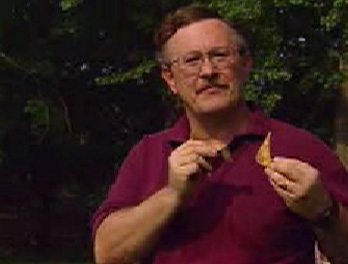
Dr. Henry Miller
Director of Research
Historic St. Mary's City
“Well, bones can tell us a lot. You wouldn't think so, but bones can give us information about what people ate -- something they don't write down very often. By studying animal bones, we can look at the types of critters that they were eating for dinner. We found the antler from a deer, killed about 1640 in St. Mary's City. All of those remains let us reconstruct how people ate and how their diet changed over time. For example, most people think pigs were the most important animal in Maryland in the seventeenth century. Well, you know what? That's wrong. Beef cattle were much more important during this time period than pigs ever were.
“We also get other insights from studying bones. For example, we found the jaw of a seventeenth century wolf. Wolves were a real problem here in St. Mary's City. They would try to kill them off because they ate the sheep and the young cows. So, wolves were a real problem that we can learn about from looking at the bones in the archeological site.”
What can you learn from archaeology that you can't learn from historical documents?
Dr. Henry Miller
Director of Research
Historic St. Mary's City
“Actually, there are many things we can learn from looking at the archaeology. A lot of things people don't record about what they do, like daily life – they don't ever think about writing it down. But yet it's important for us. What kind of house did they live in? How did they shape the yard around their homes? Where did they do various activities? Even questions like "What did you have for dinner last night?" Most people don't write that down. And that's as true in the 17th century as it is today. By looking at the archaeology, we can answer many of those questions.
“Other questions like "Where did they get things from?" For example, at St. Mary’s City we found this piece of German pottery. It was made in Germany and then sent across the Atlantic in a sailing ship for the Marylanders to use. Knowing where things come from can also give us insights that you can't find in any written record. So that's really the excitement of archaeology. It's letting us take these clues and deciphering them and adding to our knowledge of what people did in the past.”