Consequences of Colonizer Presence on Indigenous Land
Grade 7
Long before the Maryland colony was formally established, Indigenous nations along the Chesapeake Bay had already encountered European traders and explorers. These early interactions shaped how communities such as the Piscataway responded to the arrival of English settlers in the 17th century. Indigenous leaders weighed the potential benefits and risks of engaging with Europeans, making strategic decisions about trade, diplomacy, labor, and territorial protection. As English settlement expanded, the impacts on Indigenous land, health, and sovereignty grew more severe.
In this lesson, students will analyze how colonizer presence affected Indigenous lands and communities, and evaluate the impacts of European settlement on Indigenous nations.
Teacher's Guide and Related Standards
Students will evaluate the impacts of colonizer presence on indigenous lands and communities.
- In what ways did European settlement help or harm Indigenous communities in Maryland?
Film Clip 1
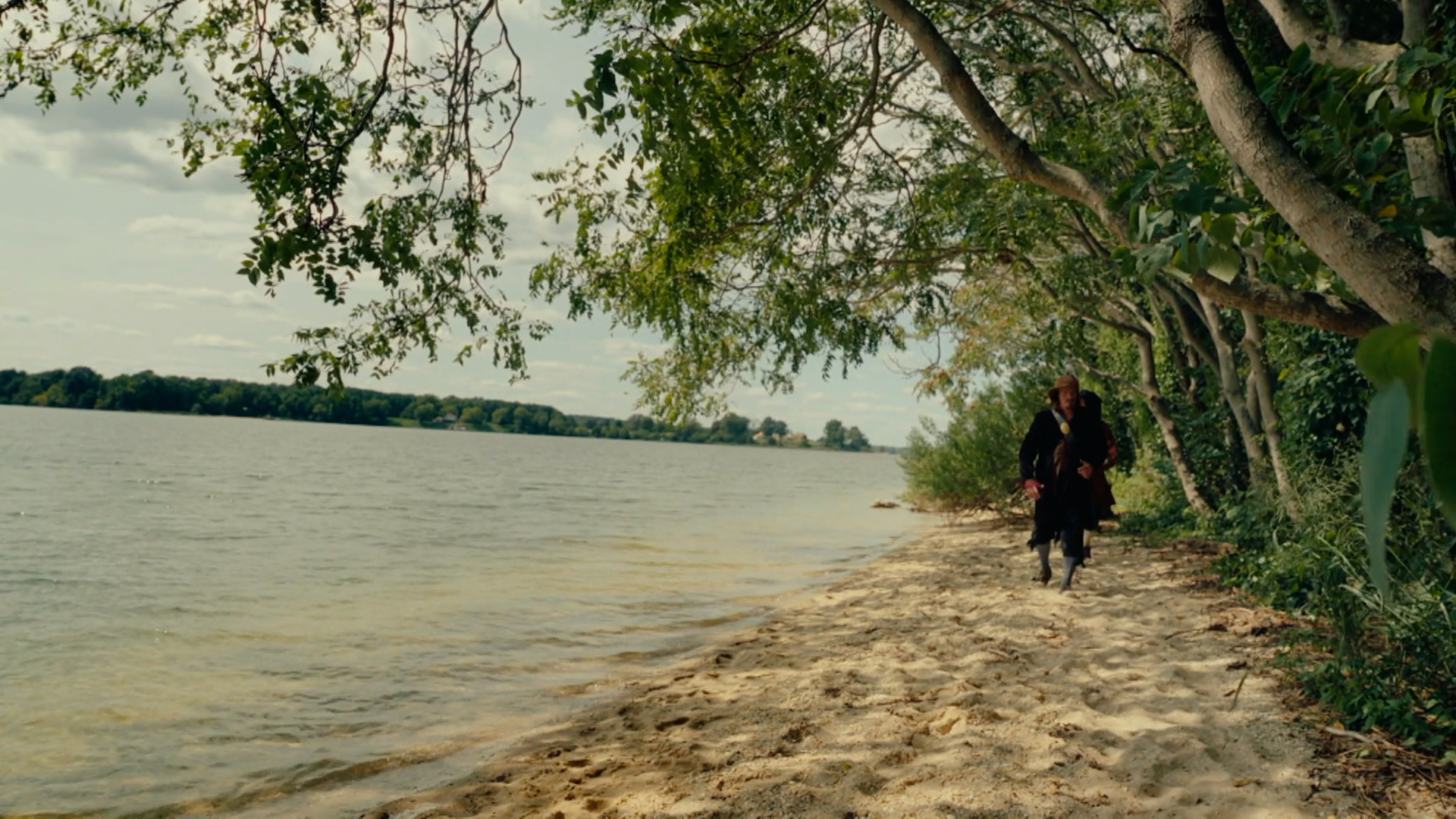
This video clip features Travis Parno of Historic St. Mary’s City discussing the Indigenous people of the Chesapeake region and their experience with English exploration and colonization and the English efforts to secure a settlement space on Yaocomico land. It also features Chief Mark Tayac of the Piscataway Nation and Henry Miller of Historic St. Mary’s City.
- Describe the Piscataway experiences with European colonizers before the Calvert expedition
- Historian Travis Parno says Chief Wannas “neither bid them stay nor bid them go” when colonists asked to settle on Piscataway land. What does this response tell us about his strategy and concerns?
- In what ways did the Piscataway hope to benefit from forming relationships with European colonizers?
- What goods did European colonizers offer in exchange for using the land and living in the abandoned Yaocomico village?
Film Clip 2
This clip discusses the strained relations between Indigenous tribes and English colonists in Maryland and the negative impacts of colonization. It features Chief Mark Tayac, Norris Howard, council member of the Pocomoke Indian Nation, Drew Shuptar-Rayvis, cultural ambassador of the Pocomoke Indian Nation, and Chief Donna Abbott of the Nause-Waiwash Band of Indians.
- Norris Howard, Jr. explains that reservations were created “under the auspices of keeping colonists out,” but really worked to keep Indigenous people in. What does this mean, and how did it harm Indigenous lands and communities?
- Why did many Indigenous people leave their homelands after Europeans arrived in the Chesapeake region?
Vocabulary
Supplemental Enrichment Activities
Indigenous Alliances and Geography
Before Europeans arrived in the Chesapeake region, Indigenous nations had complex political relationships with one another. Alliances, rivalries, and geographic boundaries shaped how communities interacted and how they responded to newcomers. When English colonists settled in Maryland, some Indigenous groups saw potential advantages in forming relationships with them.
Open the expanders in the following MSAC resource to view the maps showing the Piscataway and Susquehannock territories in the Chesapeake region. Considering the Piscataways’ tense relations with the powerful Susquehannock people, why might the location of the English settlement have worked in their favor?
Indigenous Peoples of the Chesapeake
Long before English settlers established colonies, the Chesapeake region was home to many thriving Indigenous communities with their own governments, cultures, and economies. These communities relied on the land and waterways for food, trade, and transportation. The arrival of European colonists brought major changes to these societies.
Visit this timeline created by the National Park Service to learn more about the Indigenous peoples of the Chesapeake region. As you read, consider how colonization affected Indigenous communities throughout history. In each century, find one way that Indigenous people sought to claim rights or power.
» Go to National Park Service: From Contact to Present: Indigenous Chesapeake
Oral Histories
The history of colonization is often told from the perspective of European settlers. However, Indigenous communities have their own stories about how colonization affected their lands, governments, and ways of life. Listening to Native voices helps historians better understand the long-term impacts of colonial expansion.
Read pages 9 and 10 of the following oral history to see Nause-Waiwash Chief Donna Abbott’s answers to questions about Indigenous lifeways that are threatened and how they might be preserved. On your paper, list the traditional activities that people in her tribe still do today. List the challenges that make those ways of life hard to continue.
» Go to Maryland State Archives: Interview with Donna Abbott, Nause-Waiwash